
MOVING GUIDE
Rental Costs
Understand base rates, mileage, fuel and protection before comparing quotes.
Explore guide →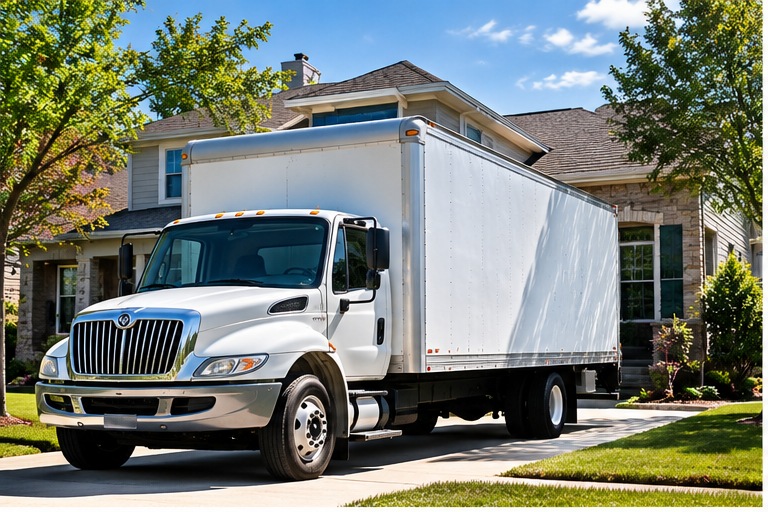
Independent, practical guides to help you choose the right truck, understand rental costs, organize the load and get through moving day with fewer surprises.
Start with practical answers to the questions that shape a self-move.
Understand base rates, mileage, fuel and protection before comparing quotes.
Explore guide →
Build a stable load with a sensible sequence and protected furniture.
Explore guide →
Match capacity and awkward items to the truck before pickup.
Explore guide →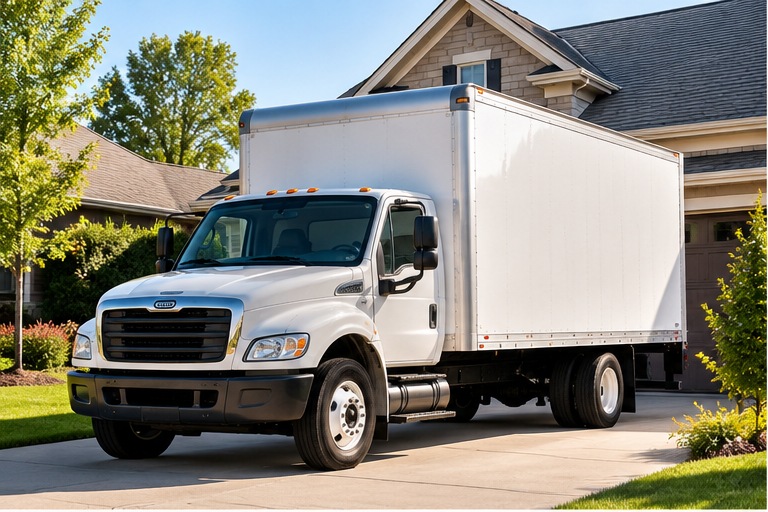
Coordinate people, timing, access and the final return.
Explore guide →
Plan fuel, rest, weather and the realities of a loaded truck.
Explore guide →
Use state-specific pages as a starting point for local planning.
Explore guide →
The vehicle matters, but so do access, loading sequence, helpers, timing and the route. The guides are organized around the decisions that happen before, during and after the rental.
Start planning →
Understand base rates, mileage, fuel and protection before comparing quotes.

Build a stable load with a sensible sequence and protected furniture.

Match capacity and awkward items to the truck before pickup.

Coordinate people, timing, access and the final return.
Start with the physical move deserves its own decision because moving a household with a rental truck combines capacity, people, access and time. A practical guide should explain the tradeoffs instead of assuming every reader has the same home, route or schedule. Use the library to move from the broad planning question to the specific task you need to solve.
Make the rental terms understandable deserves its own decision because moving a household with a rental truck combines capacity, people, access and time. A practical guide should explain the tradeoffs instead of assuming every reader has the same home, route or schedule. Use the library to move from the broad planning question to the specific task you need to solve.
Prepare both ends of the trip deserves its own decision because moving a household with a rental truck combines capacity, people, access and time. A practical guide should explain the tradeoffs instead of assuming every reader has the same home, route or schedule. Use the library to move from the broad planning question to the specific task you need to solve.
Use the state pages as a planning aid deserves its own decision because moving a household with a rental truck combines capacity, people, access and time. A practical guide should explain the tradeoffs instead of assuming every reader has the same home, route or schedule. Use the library to move from the broad planning question to the specific task you need to solve.
A rental-truck move is a chain of decisions rather than one purchase. The vehicle is only the most visible part. Before pickup, you need to know what is being moved, where the truck can stand, how the load will be built and what the destination will require. During the trip, the driver has to manage a vehicle that behaves differently from a passenger car when it is loaded. At arrival, the unloading order determines how quickly the new home becomes usable. This site separates those questions so you can solve them in the order that makes sense for your move.
Start with the part that can create the largest downstream problem. If you do not know the approximate size of the household, begin with inventory and truck-size planning. If the household is already understood but the loading location is difficult, start with access. If the route is long, plan fuel, rest and weather before worrying about small packing details. The goal is not to read every page. It is to use the library to answer the decisions that actually control your day.
A truck can look large from the outside and still become difficult to load when the household contains bulky furniture, tall pieces or fragile items that cannot be crushed into a tight stack. Conversely, a household with many small cartons may use space efficiently. Truck-size planning should therefore consider both volume and shape. Measure the awkward pieces, identify what must remain accessible and think about how the load will be arranged before comparing rental options.
The same principle applies to equipment. A dolly, moving blankets, tie-downs or other supplies may affect how efficiently the load can be handled. The correct equipment depends on the actual move. A useful plan lists the tasks that need mechanical help, the surfaces that need protection and the items that need restraint rather than assuming that every move requires the same package.
The advertised rental rate is only one part of the financial decision. Depending on the provider and reservation, the final amount can be influenced by mileage, fuel, optional protection, equipment, taxes, deposits, timing and return conditions. MovingTrucks.net does not treat a generic price as a quote. Instead, the cost guides explain which line items should be compared so that a reader can ask better questions before reserving.
Cost also includes labor and time. A cheaper truck can become a poor choice if it requires another trip, creates an inefficient loading sequence or forces the household to pay for additional help. A larger vehicle can sometimes reduce handling, while a smaller one may be appropriate when the load is compact and the route is short. The right comparison is the total moving plan, not one number displayed at the top of a booking screen.
Loading is where planning becomes physical. The order should protect heavy and fragile items, preserve access to the next part of the load and keep the cargo from creating avoidable movement during travel. Long furniture can establish the shape of the cargo area. Boxes can fill stable spaces around it. Tie-downs and blocking should be available before the last section is closed off.
Good loading also accounts for the people doing the work. Helpers need a clear route and a defined job. Someone should know which item comes next, where it goes and whether it needs a second person or equipment. That small amount of organization can prevent the common cycle of people standing around, moving the same item twice or filling the truck in a way that makes the final section harder.
Unloading is often treated as the easy half of the move, but the destination can create its own bottlenecks. A narrow street, limited parking, stairs, an elevator reservation or a long carry from the curb can change the unloading sequence. Decide which room should become usable first and which furniture needs to be positioned before cartons begin spreading through the house.
The destination plan should also include a final sweep. Keep keys, documents, tools and cleaning supplies accessible. Check that no item is left behind in the truck. Separate packing debris from household goods. If the rental has a specific return process, keep the relevant instructions visible until the vehicle is closed out.
Moving conditions vary by geography. A move through a dense northeastern city can have very different parking and building constraints from a rural western route. Heat can matter more in a desert climate, while snow and daylight can change the schedule in northern states. The state pages are designed to make those differences visible without pretending that every address in a state works the same way.
Use the state page to generate questions, then verify the details for the actual pickup and destination. Check the route, weather, parking and provider terms that apply to the reservation. The purpose of a state guide is to improve preparation, not to replace current local information.
A resilient plan has a preferred sequence and a sensible alternative. It knows what can move when a parking space is unavailable, when a helper is late, when rain slows the loading pace or when a large item does not fit the expected route. The best fallback is usually a change made early, before the truck is full and the schedule has no room left.
Use the guides to identify the variables that deserve a fallback. Access, weather, fuel, load stability, helper availability and destination readiness are recurring examples. Once those variables are visible, you can decide which one needs a backup and which one can simply be monitored.
You do not need to treat MovingTrucks.net as a checklist that must be completed from top to bottom. Pick the guide that answers the next decision. If the question is truck size, start there. If the question is a difficult piece of furniture, solve its path before loading begins. If the question is a long trip, build the road plan and fuel strategy. Then return to the broader planning pages when the next decision changes.
The strongest moving day is usually not the one with the most complicated system. It is the one in which the important uncertainties were handled early, the physical work was sequenced sensibly and the destination was ready for the truck. That is the organizing idea behind this site: make the move easier to reason about before it becomes physical work.
Start by identifying the move you are actually trying to accomplish. A local apartment move, a family move across several states and a small business relocation may all use a box truck, but the planning problems are different. The number of people involved, the shape of the household, the distance, the access at both addresses and the amount of time available can change the correct sequence.
Write down the unusual items first. A sectional, piano, oversized television, refrigerator, long table, exercise equipment or large outdoor item can determine the loading plan more than dozens of ordinary cartons. If an item needs special handling, measure its path before the truck arrives. The goal is to discover the constraint while the plan is still flexible.
Every moving day contains small changes. A helper may arrive late. A parking space may be occupied. A piece of furniture may be harder to maneuver than expected. A weather forecast may shift. A road segment may take longer than the map suggested. The useful response is to have a fallback for the variables that can actually change the day.
Do not build a fallback for every imaginable problem. Choose the few conditions that could stop the next stage. If the truck cannot reach the doorway, know where the alternative staging point is. If one item cannot fit, know whether it can be disassembled or moved by a different path. If the schedule slips, know which task can move without damaging the rest of the day.
A common mistake is to treat the cargo area as empty storage. A rental truck is a working space with a floor, walls, doors and access points. The first large items can determine where smaller boxes will fit. If the load is filled without a sequence, the final items may have nowhere sensible to go and the driver may discover that a fragile or priority item is buried.
Think about unloading while loading. The first furniture needed at the destination should not be trapped behind everything else. Items that need protection should not be surrounded by cargo that can shift. Tie-downs should remain usable until the load is stable. This is not about creating a perfect diagram; it is about preventing the last part of the loading process from undoing the first part.
Use the topic pages as a decision library. If you are comparing truck sizes, read the truck-size and capacity material. If you are worried about the price, read the cost guides and list the charges that need verification. If the challenge is a difficult piece of furniture, solve the path before the loading day. If the trip is long, plan fuel and rest separately from the packing schedule.
The state pages add another layer of context. They are not promises about a particular provider or address. They are prompts to think about the road environment, climate, city density, rural distance and destination access that may apply to the trip. The final decision should always be based on the actual reservation and the actual addresses.
The most useful way to approach a rental-truck move is to identify the next decision that could change the rest of the day. If you have not chosen the truck, capacity is the next decision. If the vehicle is already reserved, access and loading order may be more important. If the load is ready, the route and destination become the focus. This keeps preparation practical instead of turning the site into a checklist that has to be read from top to bottom.
Each guide is designed to stand on its own, but the subjects connect. Truck size affects loading. Loading affects the time available for departure. The route affects fuel and rest. The destination affects unloading order. A problem discovered at any stage can change the next stage, which is why the planning pages emphasize handoffs and contingencies rather than perfect schedules.
A written plan does not need to be complicated. Record the pickup address, destination, truck type, expected loading window, unusual items, access restrictions, helper roles and the first unloading priorities. Keep provider contact information and the current rental terms accessible. If a building, neighborhood or destination has a special access condition, write it next to the address rather than relying on memory.
For long-distance moves, add the route, fuel strategy and rest points. For local moves, add the number of trips you expect and the order in which the household will be loaded. For apartment moves, add elevator or loading-dock information. For a move involving children or pets, create a separate plan for keeping them away from the loading path and comfortable during the transition.
A refrigerator, piano, television and box of books do not create the same handling problem. A rainy day is not simply a dry day with an umbrella. A high-rise move is not a single-family move with a taller building. The library is intentionally divided so those differences are visible. The relevant guide should describe the physical constraint of the task instead of repeating broad advice with a new title.
The same principle applies to state information. A state page is not meant to claim that every road, parking space or rental provider operates the same way. It is a planning layer that helps a reader notice geography, weather, route length and access. The final check should always happen at the actual address and with the actual rental terms.